
You didn’t plan for a breakdown. No one does. Yet here you are, stuck on the shoulder, heart racing a bit. That’s normal. While help is on the way, your next few minutes matter. With a bit of know-how, you can lower the risk, stay calm, and protect your car. This guide gives clear steps you can follow right now. It uses simple language, short sentences, and real-world advice. You’ll learn how to stand out to drivers, what to tell the dispatcher, and how to stay calm. You’ll also see what to pack for next time. Most of all, you’ll see the “why” behind each move. Because every step should answer, “What’s in it for me?” Safer moments. Lower stress. Better outcomes.
Move To The Safest Spot You Can
First, steer off the travel lane as soon as you can. If the car still moves, guide it to the right shoulder or an exit ramp. Then straighten the wheels and set the parking brake. If traffic is heavy, stay mindful. Quick choices save you seconds, and those seconds help. If you can’t reach the shoulder, don’t panic. Turn on your hazard lights and stay inside with seatbelts on until there’s a safe gap.
Because your goal is simple: reduce the chance of a second crash. Also, think about the terrain. A flat, open shoulder beats a tight curve. If you stopped on a bridge, consider waiting inside with your belts on. It’s safer than walking near fast lanes. When in doubt, less movement around traffic is better.
- Pull right, if possible
- Keep wheels straight, brake set
- Stay buckled until it’s safe to exit
Make Your Vehicle Easy To See
Next, help other drivers see you early. Turn on hazard lights right away. After that, add visual signals. A reflective triangle or high-vis vest can make a huge difference, especially at night or in the rain. Place triangles behind the car at increasing distances, if it’s safe to do so. Even a small flashlight beam helps.
Here’s a quick guide to visibility tools:
| Tool | Best Use | Extra Benefit |
| Hazard lights | Any time you stop | Low effort, constant signal |
| Reflective triangles | Day or night on the shoulder | Alerts drivers from farther away |
| High-vis vest | When stepping out | Helps you stand out in low light |
| LED flare | Night, fog, or rain | Bright, long-lasting marker |
Furthermore, keep your trunk easily accessible. You don’t want to dart into traffic. If it’s windy, set items close to the guardrail side. Small moves, big safety payoff.
Decide Whether To Stay In The Car Or Step Out
Safety changes with location. On a wide shoulder, staying inside with seatbelts on is often the safest option. However, if you’re next to fast traffic with no shoulder, step out on the non-traffic side and move past the guardrail. Your choice should lower exposure to moving vehicles.
“If the car feels like a shield, stay buckled. If it feels like a target, move away.”
Always watch for blind curves and hills. Drivers might see you late. Also, avoid standing in front of or behind the car. If another vehicle hits yours, you want space. Keep kids and pets secured. They can panic and run toward danger. Finally, keep your phone, ID, and keys with you. You’ll need them for the tow truck driver and the police.
Share Precise Info With The Dispatcher
Precise details speed up help. Begin with your exact location. Use mile markers, exit numbers, or nearby landmarks. Even better, share your phone’s GPS coordinates. Then report your vehicle make, model, and color. Mention lane position, traffic flow, and hazards like smoke or leaking fluids.
Now, make it easy for the driver to spot you.
- Use your phone’s tools: Apple Maps, Google Maps, or your insurer’s app can share live location.
- Say what went wrong: “Flat front left tire,” “engine overheated,” or “battery dead.”
- State any special needs: Child in car, mobility issues, or pets aboard.
Also, ask for an ETA and the company name. Save the call number. This record will be helpful if you need a follow-up. Lastly, keep your ringer on. If the tow pro can’t find you, a quick call prevents delays.
Manage Road And Weather Risks Like A Pro
Roadside safety shifts with conditions. Rain cuts visibility. Snow hides lane lines. Heat stresses engines and people. Therefore, match your actions to the risk. In rain or fog, use hazard lights, move farther off the lane, and avoid standing outside. In snow, watch for plows and drifting vehicles. On hot days, sip water and find shade if you must step out.
“Adjust to the road you have, not the road you want.”
Moreover, never place cones or triangles so far that you must step into live lanes. Instead, edge them out carefully, staying on the shoulder side. If wind gusts cause the gear to shift, use heavier LED flares. They stay put better. And if you see smoke or smell fuel, move away immediately and call 911 before taking any further action.
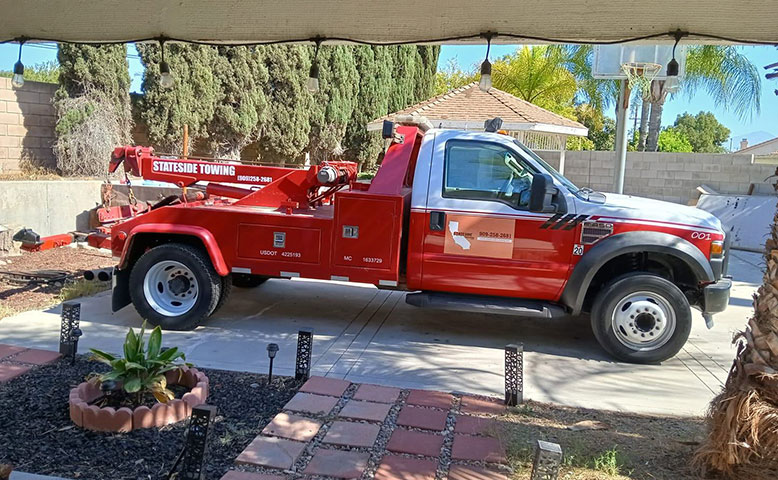
One More Thought As You Get Back On The Road You handled a hard moment, and you handled it well. You moved to safety, stayed visible, and gave clear info. That is how you turn a bad stretch into a manageable delay. If you want a name to keep on hand, you can write down Stateside Towing LLC. As you drive again, consider a short post-breakdown routine: refill the kit, save reliable tow truck contacts, and note your most frequently used routes.
FAQs
How long does a tow truck usually take to arrive?
Response times vary depending on traffic, distance, and weather conditions. In cities, it may be 20–45 minutes.
Is it safer to stay in the car or wait outside?
It depends on the shoulder and traffic. On a wide shoulder, staying buckled with hazard lights on is often safer. If there’s no shoulder or traffic is flying past.
What should I keep in a roadside emergency kit? Pack reflective triangles, a high-vis vest, gloves, a first-aid kit, water, a phone charger, and jumper cables or a portable jump starter. Add weather gear and basic tools. Review the kit twice a year.

